
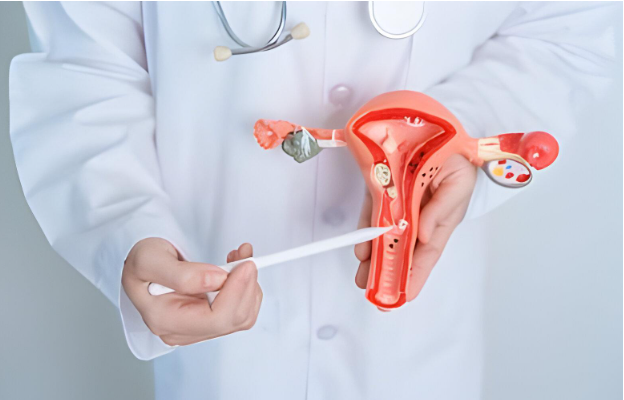
Uterine fibroids – the term might sound daunting, but understanding what they are, the cause of fibroids uterus, and how they affect your body is the first step towards managing this common condition. In this comprehensive guide, we’ll take a look at the intricacies of uterine fibroids, exploring their cause fibroids uterus, uterine fibroids symptoms, and uterine fibroids treatment options, all with the aim of empowering you with the knowledge you need to navigate through these aspects of women’s health.
If you are being plagued by uterine fibroids in Bihar, visiting a super-speciality hospital in Patna might just be your best bet to tackle this medical condition in an effective and efficient manner.
What Are Uterine Fibroids?
Let’s start with the basics. Uterine fibroids are also referred to as leiomyomas or myomas and are non-cancerous growths that develop in the uterus. These growths are comprised of muscle and fibrous tissue and can vary in size, ranging from as small as a seed to as large as a grapefruit. While the exact cause of fibroids uterus formation isn’t fully understood, several factors are believed to contribute to their development, including hormonal imbalances, genetic predisposition, and environmental factors.
Cause of fibroids uterus
Understanding the cause of uterine fibroids is crucial for effective management. Hormonal fluctuations, particularly estrogen and progesterone, play a significant role in the growth of fibroids. During a woman’s reproductive years, when estrogen levels are high, fibroids tend to grow. Conversely, during menopause, when estrogen levels decline, fibroids often shrink or disappear altogether.
Genetic factors also play a role in predisposing individuals to uterine fibroids. If you have a family history of fibroids, you may be at a higher risk of developing them yourself. Additionally, certain lifestyle factors such as obesity and a diet high in red meat and low in fruits and vegetables have been associated with an increased risk of fibroids. By visiting a super-speciality hospital in Patna, uterine fibroids treatment can be undertaken in a proper manner.
Symptoms of Uterine Fibroids
Uterine fibroids can manifest with a variety of symptoms, ranging from mild to severe, depending on their size, number, and location within the uterus. Some women may experience no symptoms at all, while others may struggle with significant discomfort and disruption to their daily lives.
Common symptoms of uterine fibroids include:
Heavy Menstrual Bleeding: One of the hallmark symptoms of fibroids is excessive menstrual bleeding, often accompanied by clotting. This can lead to anaemia and fatigue if left untreated. Visit a super-speciality hospital in Patna if you are experiencing these issues on a priority basis.
Pelvic Pain and Pressure: Fibroids can cause pelvic pain or pressure, which may worsen during menstruation or sexual intercourse.
Frequent Urination: Large fibroids can exert pressure on the bladder, leading to increased frequency of urination.
Constipation: Fibroids pressing on the rectum can result in constipation and difficulty with bowel movements.
Abdominal Swelling: In some cases, fibroids can cause the abdomen to protrude, resembling a pregnancy bump. Such uterine fibroids symptoms must be closely observed and diagnosed in a timely manner.
Diagnosis and Treatment Options
If you’re experiencing symptoms suggestive of uterine fibroids, it’s essential to consult with your healthcare provider for an accurate diagnosis. Your doctor may perform a pelvic exam, ultrasound, or other imaging tests to confirm the presence of fibroids and evaluate their size and location. This is the first step in the uterine fibroids treatment process.
Once diagnosed, the appropriate uterine fibroids treatment plan will depend on various factors, including the severity of your symptoms, the size and location of the fibroids, your age, and your desire for future fertility.
Uterine Fibroids Treatment
Watchful Waiting: In cases where fibroids are small and asymptomatic, your doctor may recommend a “watchful waiting” approach, monitoring your symptoms over time without immediate intervention.
Medications: Hormonal medications such as birth control pills or gonadotropin-releasing hormone agonists (GnRH agonists) may be prescribed to help manage symptoms such as heavy bleeding and pelvic pain.
Minimally Invasive Procedures: For women experiencing significant symptoms who wish to preserve their uterus, minimally invasive procedures such as uterine artery embolization (UAE), myomectomy, or endometrial ablation may be recommended.
Surgical Options: In cases where conservative measures are ineffective or unsuitable, a hysterectomy – surgical removal of the uterus – may be recommended, especially for women who have completed their family planning.
Living with Uterine Fibroids
Living with uterine fibroids can pose challenges, but there are steps you can take to manage your symptoms and improve your quality of life:
Maintain a Healthy Lifestyle: Eating a balanced diet rich in fruits, vegetables, and whole grains, exercising regularly, and managing stress can help alleviate symptoms and support overall well-being.
Stay Informed: Educate yourself about uterine fibroids and treatment options, and don’t hesitate to ask questions and advocate for your health during medical consultations.
Seek Support: Joining a support group or connecting with others who have experience with uterine fibroids can provide valuable emotional support and practical advice.
Conclusion
Uterine fibroids are a common yet manageable condition that can affect women of all ages. By understanding the causes, symptoms, and treatment options available, you can take proactive steps to address your symptoms and improve your quality of life. If you’re experiencing uterine fibroids symptoms, don’t hesitate to reach out to your healthcare provider for guidance and support. Remember, you’re not alone, and effective treatment options are available to help you navigate this aspect of women’s health with confidence and empowerment.
Get in touch with a super-speciality hospital in Patna today to get the best diagnostic and curative processes there are.