

Managing discomfort in the head, face, and jaw often requires a specialized approach. These areas are interconnected, and a problem in one region may manifest as a symptom in another. For many people, the journey toward relief begins when they realize that persistent pain or disruptive sleep patterns are not isolated incidents but rather signs of an underlying structural or functional issue that needs careful evaluation.
Getting Started with Professional Evaluation
When a person experiences ongoing discomfort in the jaw, face, or neck, it is typical to seek clarity on what is happening. The first step often involves a conversation with a provider who understands how the complex anatomy of the head and neck functions. Orofacial pain specialists often look at the broader picture, considering how muscles, joints, nerves, and even posture contribute to a patient’s symptoms.
During these initial consultations, a provider may ask about the timing of symptoms, whether pain fluctuates based on specific movements, or how it relates to daily activities like chewing or talking. This information helps in determining whether the issue is primarily muscular, related to the jaw joint, or linked to nervous system responses. The goal is to move beyond temporary relief and identify the specific factors that are causing the recurring discomfort.
Recognizing the Connection Between Jaw Health and Restful Sleep
It is common for patients who struggle with jaw tension or facial soreness to also notice that their sleep quality is poor. The muscles of the face and neck work extensively throughout the day and night, and if the jaw is not resting in a neutral position, it can lead to tension that persists even during sleep.
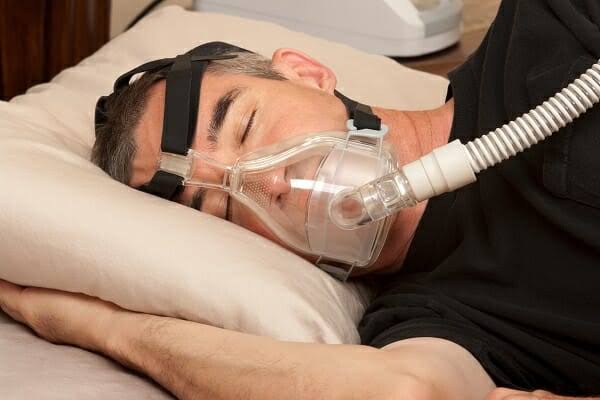
Many individuals begin to look for sleep apnea doctors near me because they suspect their breathing patterns are disrupted at night. While these specialists focus specifically on sleep-disordered breathing, there is often a natural overlap with the work of orofacial pain providers. Issues like teeth grinding or clenching are frequently linked to how a person breathes during the night. When the airway is partially obstructed, the body may respond with physiological changes that impact the jaw and facial muscles, creating a cycle where poor sleep exacerbates pain, and pain prevents restful sleep.
How Diagnostic Processes Help Clarify the Path Forward
As a care plan develops, the focus typically shifts toward gathering more detailed information. This phase often involves a thorough physical examination of the head and neck. A provider may evaluate the range of motion in the jaw, look for areas of tenderness in the facial muscles, and review how the teeth align.
For those concerned about sleep issues, the diagnostic process may involve assessments that monitor heart rate, oxygen levels, and respiratory efforts during sleep. This data provides a clearer picture of whether a structural airway issue exists or if other factors are causing the sleep disturbance. By combining these different perspectives, it becomes possible to design a strategy that addresses both the physical discomfort in the face and the quality of rest a person receives at night.
Sustaining Long-Term Results Through Integrated Care
Finding relief is rarely a one-time event; it is usually a process of adjusting habits and supporting the body’s recovery. Once a treatment strategy is in place, the focus turns to maintenance. For some, this might include specialized physical therapy to release tension in the neck and jaw. For others, it might involve wearing custom oral appliances designed to support proper jaw positioning or to keep the airway clear during sleep.
Sustaining results often requires a commitment to the recommendations provided by the care team. This could mean adjusting a workstation to improve posture, practicing relaxation techniques to reduce clenching, or using devices consistently as instructed. Because these conditions often develop over a long period, returning to a state of balance can also take time.
The long-term picture is typically one of gradual improvement. As muscle tension decreases and sleep quality stabilizes, many people find they can return to their daily routines with much less distraction from pain. The key is to maintain an open line of communication with providers, ensuring that any shifts in symptoms are addressed promptly and that the care plan remains aligned with the patient’s goals. By treating the head, face, and sleep health as a unified system, individuals are often able to secure a more comfortable and restful future.