
The journey toward improved vascular health often begins with a series of quiet observations. Perhaps you notice that a brisk walk across a parking lot leaves your calves feeling heavy and tired, or that simple errands in the heat of the day seem to take a greater toll on your energy than they once did. These sensations are often the body’s way of communicating that blood flow to the limbs may be facing obstacles. For many, these signs initiate a progression—from realizing something has changed to seeking an assessment, and ultimately, to exploring options like angioplasty and stenting in Las Vegas to restore more fluid circulation.
Identifying the early signs of vascular limitations
The cardiovascular system is remarkably resilient, but it can also be subtle in how it signals distress. When arteries narrow, typically due to the gradual accumulation of plaque, the heart has to work harder to deliver oxygen-rich blood to the muscles. This process is generally slow, often mirroring the gradual pace of daily life until the moment the symptoms become impossible to ignore.
Individuals may experience cramping, aching, or a sense of fatigue in the legs during physical activity. These feelings often subside with a brief period of rest, which can make them seem like a natural consequence of aging or being out of shape. However, when these patterns persist or begin to interfere with daily mobility, they often prompt a closer look at arterial health. Recognizing that these aren’t just inconveniences, but potentially signals of restricted flow, is the first step toward reclaiming mobility.
What happens during a professional vascular assessment
When you seek care for these concerns, the focus shifts from managing symptoms to understanding the physical landscape of your arteries. A consultation for minimally invasive vascular procedures Las Vegas typically begins with a detailed review of your personal health history, followed by non-invasive diagnostics.
Providers in this field rely on imaging and physiological testing to map the location and severity of arterial narrowing. Techniques such as ultrasound, for instance, can provide a visual of how blood moves through specific vessels, allowing specialists to see exactly where flow is being impeded. This information is crucial. It changes the conversation from a general concern about “leg pain” to a precise understanding of which vessel requires attention. This clarity is what allows for a tailored approach, ensuring that any intervention is targeted exactly where it is needed most.
Exploring the mechanism of arterial intervention
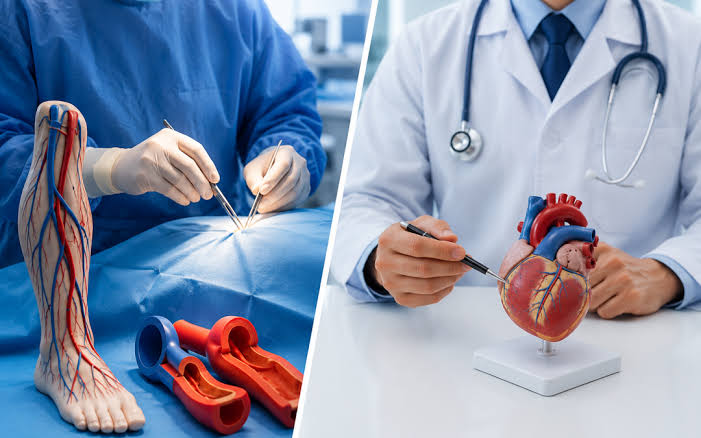
If the assessment suggests that a procedure is necessary, it is helpful to understand the general mechanics of the process. Angioplasty and stenting are common, minimally invasive techniques designed to widen obstructed vessels. During angioplasty, a slender, flexible tube is guided to the site of the narrowing, where a small balloon is gently inflated. This action serves to compress the plaque against the artery wall, physically opening the pathway for improved blood flow.
Following the initial expansion, a stent—a tiny, mesh-like scaffold—is frequently placed in the area. The role of the stent is to act as a permanent support structure, keeping the vessel open and preventing it from narrowing again. While the names of these procedures might sound complex, the overarching goal is simple: to reduce the resistance the heart faces when pumping blood and to ensure that oxygen reaches the tissues that have been underserved. Because these procedures are typically performed through small access points, they are often associated with a different recovery experience than more traditional, open methods.
Sustaining results and long-term arterial health
The success of a vascular procedure is rarely defined by the event itself, but rather by the consistency of the follow-up care. Once blood flow has been restored, the long-term objective becomes preserving that progress. This typically involves a combination of medical guidance and lifestyle adjustments that work in tandem with the physical intervention.
Providers often emphasize the importance of monitoring blood pressure, managing cholesterol, and incorporating gentle, consistent movement into the daily routine to support vascular tone. For residents seeking angioplasty and stenting in Las Vegas, this means viewing the procedure as one part of a comprehensive strategy. It is about creating an environment where the arteries can remain clear and functional for as long as possible. Regular check-ins with your care team are a standard part of this process, providing an opportunity to adjust medication or activity levels as your body responds to the increased blood flow.
Moving forward with confidence
Recovery and maintenance are not just about avoiding future complications; they are about noticing the gradual return of ease in your daily life. Over time, many people report that the fatigue they previously accommodated becomes less of a factor, replaced by a renewed ability to move without the same level of caution.
The path to better vascular health is essentially a commitment to understanding your own system. It involves working with professionals who can interpret your body’s signals, offering the necessary technical expertise to clear the way when needed, and providing the roadmap for long-term health. By addressing these concerns proactively, you are taking a significant step toward ensuring your physical foundation remains stable, allowing you to remain active and engaged with the things that matter most in your life. As you continue to focus on your health, keep the conversation open with your providers, as they are the best resource for navigating the long-term maintenance of your vascular well-being.