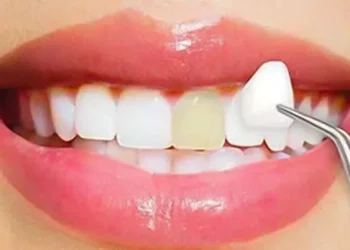


Establishing a positive relationship with oral care is a process that unfolds over several stages of a child’s development. Rather than viewing dental visits as a series of isolated events, it is helpful to consider them as a gradual, cumulative journey. This journey begins in infancy and evolves alongside the child’s growth, changing its focus as primary teeth give way to permanent ones. Understanding this progression can help parents navigate the transition from early check-ups to comprehensive pediatric dentist support.
Getting Started: The Foundation of Early Oral Care
The initial phase of a child’s dental experience is primarily about familiarity and preventive education. It is common for professionals to encourage an early introduction to the dental environment, often recommended when the first teeth begin to appear. At this stage, the goal is not to perform intensive procedures, but to establish a sense of comfort and routine.
During these early visits, the focus is typically on gently assessing the developing oral structure and providing guidance to parents regarding home hygiene. This is the time to ask questions about teething, the potential impact of pacifier use, or the most effective ways to brush a child’s teeth at home. By starting early, the child has the opportunity to become accustomed to the sights, sounds, and sensations of a dental office before any significant clinical work is required. This low-pressure environment can be a useful way to reduce future anxieties and foster a sense of security.
Evolution of Care as Permanent Teeth Develop
As a child grows and the transition from primary to permanent teeth begins, the scope of dental care naturally shifts. This middle stage is characterized by increased monitoring of how the jaw and teeth align. A pediatric dentist often looks for signs of crowding, irregularities in bite, or other developmental patterns that might benefit from intervention.
In these years, the dental team becomes a more active partner in the child’s overall health. Preventive treatments, such as the application of protective sealants or professional cleanings, often become regular parts of the visit. These measures are designed to help maintain the integrity of permanent enamel, which is particularly vulnerable as it matures. The child is also increasingly involved in these visits, learning more about the relationship between diet, hygiene, and the health of their own mouth. This stage is less about just “having teeth cleaned” and more about empowering the child to understand their role in maintaining their oral well-being.
Indicators of Progress and When to Adjust
Throughout this period, parents and providers often look for specific signs of progress to gauge the effectiveness of the current approach. A child who shows increasing comfort in the chair, demonstrates improved self-brushing habits, or seems relaxed when asking questions about their care is often demonstrating the success of a consistent dental routine.
However, there may be times when adjustments are necessary. If a child begins to show signs of hesitation, or if a dental concern such as a small cavity or a persistent alignment issue appears, the strategy must evolve. A professional focusing on dentistry for children will typically adjust their communication style to meet the child’s current level of maturity and comfort. If a specific challenge arises, it is standard practice for the provider to discuss the situation transparently with the parent, exploring the pros and cons of different management options. Being prepared to pivot the plan—whether that means changing the frequency of cleanings or discussing specialized interventions—is a hallmark of comprehensive, responsive care.
Sustaining Results Through the Long-Term
As the child approaches their teenage years, the nature of their relationship with the dental office undergoes another shift. The goal transitions from guided observation to fostering independence. The teenager begins to take more responsibility for their daily hygiene, and the clinical focus may turn toward long-term maintenance, such as managing wisdom teeth or considering orthodontic consultations.
Sustaining a healthy mouth into adulthood is often a reflection of the habits and comfort levels established years prior. A patient who has grown up visiting a pediatric dentist who prioritized their comfort and education is generally better prepared to navigate the more complex dental needs that can emerge in adulthood. The objective is to ensure that the transition to general dentistry is seamless, as the patient already possesses a clear understanding of what quality care looks like and why it is beneficial.
The long-term picture is one of incremental gains. It is rarely about one single perfect check-up, but rather the cumulative effect of consistent, professional guidance over time. By staying engaged with a consistent dental provider, parents can ensure that their child receives the support necessary to navigate each developmental milestone. This long-term focus helps transform dental visits from a chore into a standard, well-integrated part of a healthy lifestyle, providing the individual with the tools they need to protect their oral health for years to come. Ultimately, the work done in these formative years serves as the bedrock upon which the child’s future dental habits are built.